
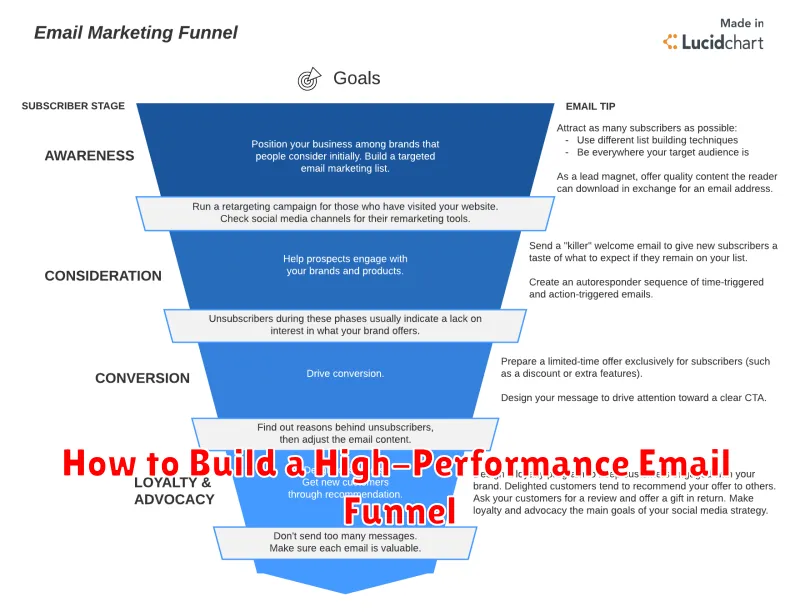
In today’s digital landscape, email marketing remains a powerful tool for businesses to connect with their audience, nurture leads, and drive conversions. A well-constructed email funnel is the key to unlocking the full potential of your email marketing efforts. This comprehensive guide will delve into the intricacies of building a high-performance email funnel that effectively guides subscribers through the customer journey, from initial awareness to loyal advocacy. Learn how to strategically segment your audience, craft compelling email content, and automate your campaigns for maximum impact. Whether you are a seasoned marketer or just beginning your email marketing journey, understanding how to build a high-performance email funnel is essential for achieving your business objectives.
This article will provide a step-by-step approach to constructing a high-performance email funnel that delivers tangible results. We’ll cover essential elements, including lead magnets, welcome sequences, promotional campaigns, and post-purchase follow-up. By implementing the strategies outlined in this guide, you can transform your email marketing from a sporadic activity into a powerful engine for business growth. Mastering the art of the high-performance email funnel will empower you to cultivate stronger customer relationships, boost conversions, and ultimately, achieve a greater return on investment from your email marketing efforts.
What Is an Email Funnel?
An email funnel is a strategic sequence of emails designed to guide subscribers through a specific process. This process typically culminates in a desired outcome, such as a purchase, sign-up, or increased engagement. Think of it as a virtual sales funnel, using email as the primary communication medium.
Each email in the funnel serves a distinct purpose, delivering targeted content that nurtures the subscriber and moves them closer to the final objective. The funnel’s effectiveness relies on segmentation and personalization, ensuring the right message reaches the right person at the right time.
Designing the Funnel Stages
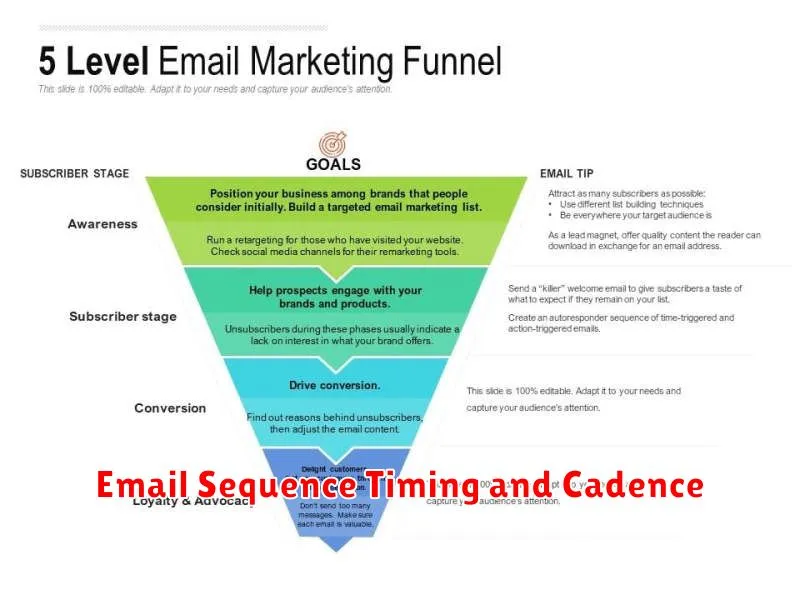
A high-performing email funnel requires careful stage design. Each stage should nurture the lead towards conversion. Common stages include Awareness, Interest, Decision, and Action.
The Awareness stage introduces your brand and its value proposition. Interest fosters engagement with valuable content related to their needs. The Decision stage presents solutions and encourages evaluation. Finally, the Action stage prompts a specific conversion, such as a purchase or subscription.
Lead Magnets and Entry Points
Lead magnets are the incentives you offer to entice visitors to join your email list. They should provide immediate value and be closely related to the overall value proposition of your funnel. Examples include ebooks, checklists, templates, webinars, and free trials.
Entry points are the places where visitors exchange their contact information for your lead magnet. These are often opt-in forms placed strategically on your website, such as landing pages, pop-up forms, or embedded within blog content. The effectiveness of your entry points depends on clear calls to action and a compelling presentation of your lead magnet’s benefits.
Email Sequence Timing and Cadence
Timing and cadence are crucial for email marketing success. Finding the right balance ensures your messages are effective without overwhelming your subscribers.
Consider these factors when determining your email sequence timing:
- Goal of the sequence: A welcome sequence will have different timing than a product launch sequence.
- Target audience: Understand how frequently your audience prefers to receive emails.
- Content complexity: More complex information might require longer intervals between emails.
Common cadence strategies include daily emails for short bursts, or a few emails per week for longer nurture sequences. Testing and analysis are key to optimizing your timing for maximum engagement.
A/B Testing Your Sequences
A/B testing is crucial for optimizing your email sequences and maximizing conversions. By testing different variations, you can identify what resonates best with your audience.
Focus on testing key elements within your sequences, such as:
- Subject lines: Experiment with different wording, lengths, and emojis.
- Email copy: Compare different tones, calls to action, and value propositions.
- Sending times: Determine the optimal times to reach your audience.
- Email frequency: Test sending emails more or less frequently.
Remember to test only one variable at a time to accurately measure its impact. Analyze your results and iterate based on the data you collect. This iterative approach will allow you to continuously improve your sequences’ performance.
Segmenting Your Subscribers
Segmentation is crucial for a high-performing email funnel. It allows you to tailor your messaging to specific subscriber groups, resulting in higher engagement and conversions.
Consider segmenting by:
- Demographics: Age, location, gender
- Engagement: Open rates, click-through rates
- Purchase History: Past purchases, purchase frequency
- Website Activity: Pages visited, products viewed
By sending targeted emails, you avoid sending irrelevant content, improving your chances of converting subscribers into customers.
Tracking Funnel Metrics
Tracking your email funnel’s performance is crucial for optimization and achieving a high conversion rate. Key metrics provide insights into areas of strength and weakness.
Begin by monitoring open rates. This metric reveals the effectiveness of your subject lines in grabbing attention. Low open rates suggest a need for more compelling subject lines or better segmentation.
Next, analyze click-through rates (CTR). A low CTR indicates that your email content isn’t engaging enough to prompt clicks. Experiment with different call-to-actions and content formats.
Finally, track conversion rates. This is the ultimate measure of your funnel’s success. Identify drop-off points between stages and refine your messaging and offers to improve conversions.
