
In today’s digital landscape, leveraging the right analytics tools is paramount for every digital marketer. Understanding key performance indicators (KPIs), user behavior, and campaign effectiveness is no longer a luxury but a necessity. This article explores the essential analytics tools that empower digital marketers to make data-driven decisions, optimize campaigns, and achieve measurable results. From website analytics to social media insights and SEO performance tracking, we’ll delve into the tools that provide the crucial data necessary for success in the competitive world of digital marketing.
Whether you are a seasoned digital marketer or just starting out, having a strong grasp of analytics tools is essential for maximizing your return on investment (ROI). This article will equip you with the knowledge to choose and effectively utilize the right analytics tools to gain a competitive edge. We will cover a range of platforms, from free options suitable for small businesses to more advanced enterprise-level solutions, ensuring you find the perfect fit for your digital marketing needs. Prepare to unlock the power of data and transform your digital marketing strategies with these indispensable tools.
Google Analytics 4
Google Analytics 4 (GA4) is Google’s latest analytics platform and the eventual successor to Universal Analytics. It offers a different approach to data collection and reporting, focusing on user engagement and events rather than just page views.
GA4 is designed to help businesses understand the customer journey across different platforms and devices. It utilizes machine learning to fill data gaps and provide predictive insights about user behavior. This allows marketers to anticipate future actions and better tailor their marketing strategies.
Key features of GA4 include:
- Event-based data model
- Cross-platform tracking
- Enhanced measurement capabilities
- Machine learning insights
Migrating to GA4 is essential for any digital marketer wanting to stay ahead of the curve and leverage the power of this robust platform.
Hotjar and User Behavior Tools
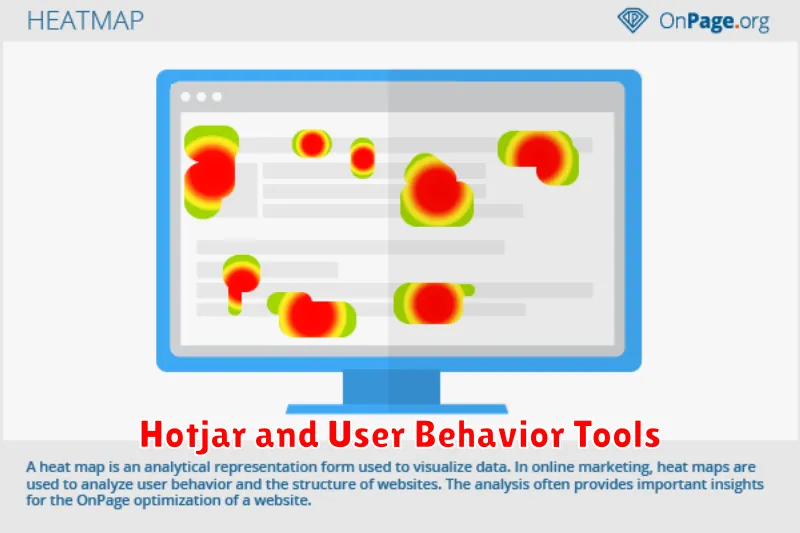
Understanding user behavior is crucial for effective digital marketing. Tools like Hotjar provide valuable insights into how users interact with your website.
Hotjar’s heatmaps visually represent user clicks, scrolls, and mouse movements, revealing areas of interest and potential usability issues. Session recordings allow you to watch actual user sessions, providing a deeper understanding of their navigation patterns and struggles. Feedback polls and surveys offer direct input from users, helping you identify areas for improvement and enhance user experience.
These tools enable marketers to make data-driven decisions regarding website optimization, content strategy, and conversion rate optimization.
Data Studio for Custom Reports
Google Data Studio (now Looker Studio) is a powerful, free tool that allows marketers to create customizable and interactive reports. It connects to various data sources, providing a consolidated view of your marketing performance.
With Data Studio, you can visualize data through charts, graphs, and tables, making it easier to identify trends and insights. The drag-and-drop interface simplifies report building, even for users with limited technical expertise. You can share these reports easily with stakeholders, facilitating data-driven decision-making.
Key benefits include connecting to multiple data sources, creating visually appealing reports, and easy sharing and collaboration. This makes it an invaluable tool for any digital marketer looking to improve their reporting and analysis capabilities.
UTM Tracking and Campaign Monitoring
UTM (Urchin Tracking Module) parameters are essential for granular campaign analysis. These small snippets of code added to your URLs allow you to track the performance of specific campaigns across different channels.
By tagging your links with UTM parameters, you gain valuable insights into which sources, mediums, and campaigns are driving the most traffic and conversions. This data is crucial for optimizing your marketing spend and understanding the effectiveness of your efforts.
Key UTM parameters include:
- utm_source: Identifies the source of traffic (e.g., google, facebook, newsletter).
- utm_medium: Specifies the marketing medium (e.g., cpc, email, social).
- utm_campaign: Indicates the specific campaign name (e.g., spring_sale, product_launch).
Monitor campaign performance within your analytics platform to assess the success of each initiative. This allows for data-driven decision-making and continuous improvement.
Combining Metrics from Multiple Sources
Modern digital marketing relies on data from various platforms. Combining these metrics provides a holistic view of campaign performance.
This involves integrating data from sources like website analytics, social media platforms, CRM systems, and email marketing tools. By centralizing this information, marketers can gain a more accurate understanding of customer behavior and campaign effectiveness.
For example, combining website traffic data with lead generation metrics from a CRM can reveal which channels are driving the most valuable conversions. This integrated approach enables data-driven decision making and optimized resource allocation.
