
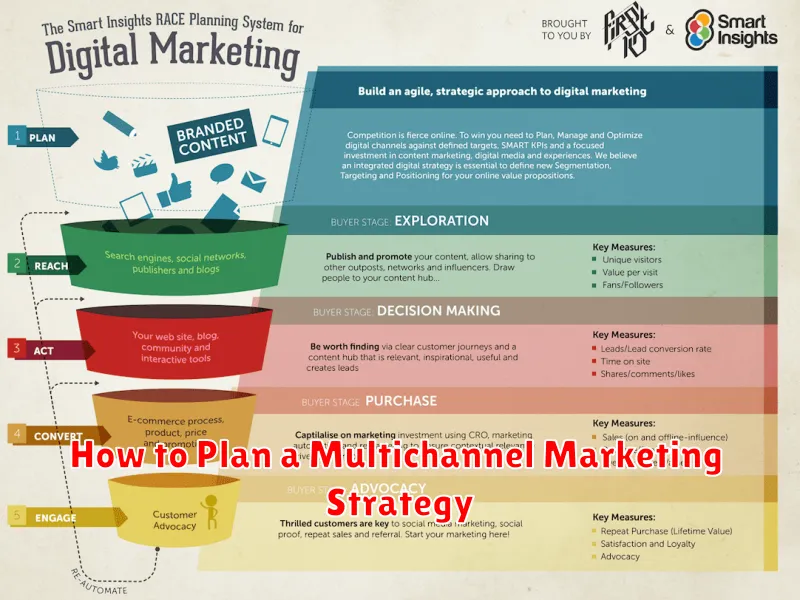
In today’s interconnected world, a multichannel marketing strategy is no longer a luxury, but a necessity. Reaching your target audience effectively requires a cohesive approach across various platforms. This means understanding how to leverage the strengths of each channel, from email marketing and social media to paid advertising and content marketing, and weaving them together to create a seamless and engaging customer journey. A well-defined multichannel marketing strategy will not only expand your reach but also foster stronger customer relationships and drive significant business growth. Learning how to plan such a strategy is crucial for staying competitive and maximizing your marketing ROI.
This article will provide a comprehensive guide on how to develop a powerful multichannel marketing strategy. We’ll explore the key components involved, including identifying your target audience, selecting the right marketing channels, crafting compelling content, and measuring your results. Whether you’re a seasoned marketer looking to refine your approach or just starting out, this guide will equip you with the knowledge and tools necessary to create a successful multichannel marketing strategy that drives tangible business outcomes and strengthens your brand presence. By mastering the art of multichannel marketing, you can unlock the full potential of your marketing efforts and connect with your audience on a deeper level.
Multichannel vs Omnichannel Explained
While both multichannel and omnichannel marketing involve interacting with customers across various platforms, there’s a key difference. Multichannel marketing uses multiple channels independently. Think email, social media, and direct mail operating in silos.
Omnichannel marketing, on the other hand, integrates these channels to create a seamless and unified customer experience. Information is shared across channels, allowing for personalized and consistent messaging regardless of how a customer interacts with your brand.
Choosing the Right Mix of Platforms
Selecting the right mix of platforms is crucial for a successful multichannel marketing strategy. Target audience is the primary consideration. Where do they spend their time online? Understanding this is key to maximizing reach and engagement.
Budget also plays a significant role. Some platforms require more investment than others. Consider the costs associated with each platform, including advertising spend and resource allocation.
Finally, assess the strengths of each platform. Some excel at visual content, while others are better suited for text-based communication. Aligning platform capabilities with your marketing objectives is essential.
Aligning Messaging Across Channels
Maintaining a consistent brand voice and messaging is crucial for a successful multichannel marketing strategy. Customers should encounter a unified experience, regardless of the platform.
Key considerations for aligning messaging include:
- Core message: Define a central theme that resonates across all channels.
- Channel-specific tweaks: Adapt the core message to suit each platform’s nuances, while preserving its essence.
- Consistent visuals and tone: Employ a uniform style guide to ensure brand consistency.
This cohesive approach reinforces brand recognition and builds trust with your audience.
Scheduling Content by Channel Type
Channel-specific scheduling is crucial for maximizing impact. Different platforms have varying peak engagement times and user behaviors.
Consider these factors when scheduling:
- Platform demographics: When are your target audiences most active on each platform?
- Content type: Video content might perform better during leisure hours, while blog posts might suit workday browsing.
- Platform algorithms: Stay informed about how each platform’s algorithm prioritizes content.
Use a content calendar to organize your multichannel strategy and visualize posting schedules across platforms.
Tracking Cross-Channel Performance
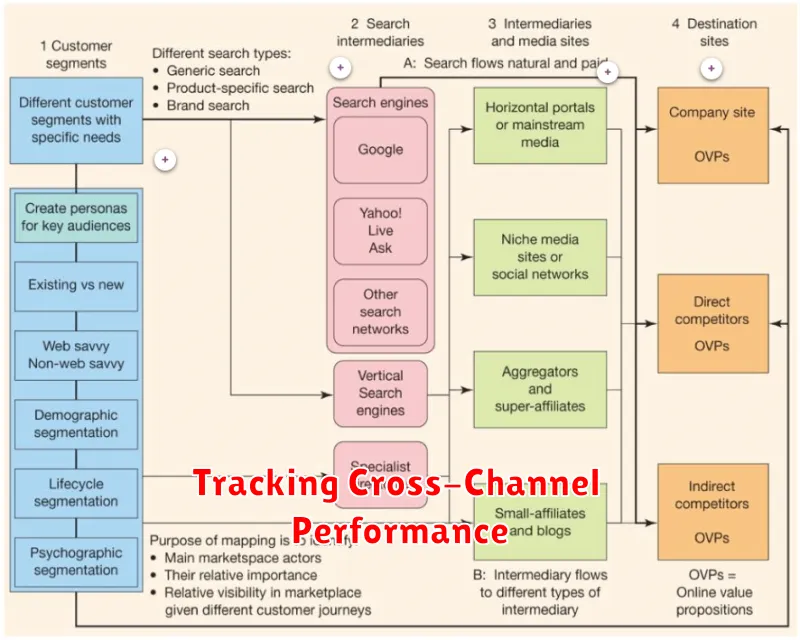
Tracking performance across channels is crucial for understanding the effectiveness of your multichannel strategy. Analyze key metrics such as website traffic, conversion rates, customer acquisition cost (CAC), and return on investment (ROI) for each channel. This data helps identify which channels are performing well and which need improvement.
Use a centralized dashboard or marketing analytics platform to collect and analyze data from all channels. This allows for a holistic view of campaign performance and facilitates better decision-making. Look for trends and patterns in the data to optimize budget allocation and refine targeting strategies. For example, if social media is driving significant engagement but low conversions, you might adjust your social media content to focus more directly on driving conversions.
Examples of Multichannel Campaigns
Integrating multiple channels can significantly enhance marketing reach and engagement. Here are a few illustrative examples:
Example 1: Retail Store Launch
A retail store opening could leverage a multichannel approach by combining email marketing (pre-launch announcements and exclusive offers), social media advertising (targeted ads and engaging content), and in-store promotions (grand opening discounts and events). This coordinated strategy creates excitement and drives initial traffic.
Example 2: SaaS Product Promotion
A software company could promote a new product through a combination of content marketing (blog posts and webinars), paid search advertising (reaching target audiences searching for specific solutions), and email nurturing (personalized demos and free trials). This approach builds awareness, educates potential customers, and guides them through the sales funnel.
Avoiding Channel Overlap
Channel overlap occurs when multiple marketing channels target the same audience segment with the same message, leading to wasted resources and potential customer fatigue. Identifying and mitigating channel overlap is crucial for an effective multichannel strategy.
Start by mapping each channel’s target audience and messaging. Look for areas where different channels are reaching the same segment with similar content. Analyze campaign performance data to identify channels exhibiting diminishing returns, which can indicate overlap.
Once overlap is identified, consolidate messaging and targeting efforts. Focus each channel on its strengths and the specific customer journey stages it serves best. This concentrated approach maximizes reach and minimizes redundancy.
