
In today’s digital landscape, a high-converting digital marketing funnel is essential for any business aiming to thrive. This comprehensive guide will provide a step-by-step approach to building a digital marketing funnel that effectively attracts, engages, and converts prospects into loyal customers. Understanding the core components of a successful marketing funnel, from awareness to conversion and beyond, is crucial for maximizing your return on investment and achieving sustainable growth. We’ll explore the key strategies and tactics to optimize each stage of your digital marketing funnel, ensuring a seamless customer journey and ultimately, driving more conversions.
Whether you are a seasoned marketer looking to refine your existing funnel or a beginner just starting out, this article will equip you with the knowledge and tools you need to create a digital marketing funnel that converts. We’ll cover various aspects, including defining your target audience, crafting compelling content, leveraging the right digital marketing channels, and implementing effective analytics to monitor and improve your funnel’s performance. By the end of this guide, you will have a clear understanding of how to build a digital marketing funnel that generates leads, nurtures relationships, and drives conversions, ultimately contributing to the success of your business.
Stages of the Funnel Explained
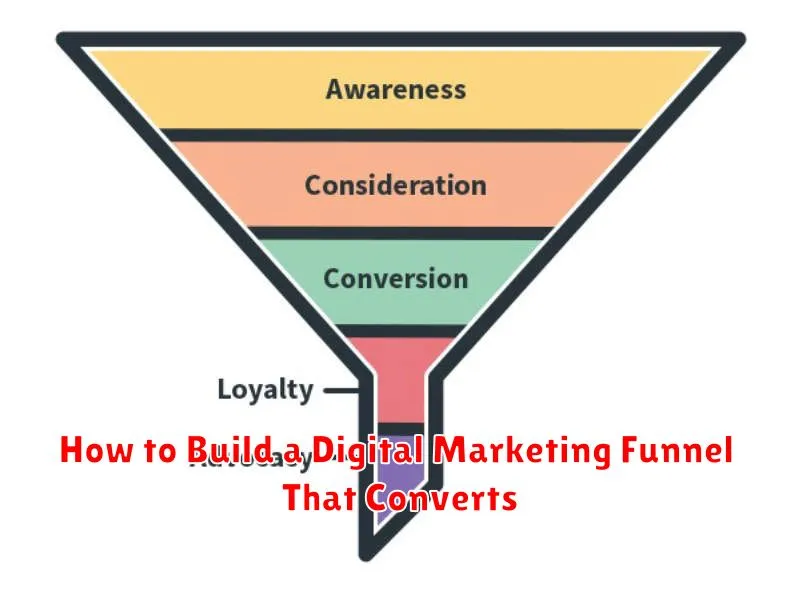
The digital marketing funnel represents the customer journey towards a purchase. It’s typically divided into key stages, each requiring a specific marketing approach.
Awareness: At this stage, potential customers become aware of their problem or need. Your marketing efforts should focus on educating them about the issue and presenting your brand as a potential solution.
Consideration: Now aware of their need and potential solutions, customers begin to research and evaluate different options. Content like comparisons, case studies, and webinars can help influence their decision.
Conversion: This stage is where the customer makes a purchase or takes a desired action. Clear calls to action, easy checkout processes, and strong value propositions are essential for driving conversions.
Mapping Content to Funnel Levels
A key aspect of a successful digital marketing funnel is mapping the right content to each stage. This ensures that you’re providing relevant information to your audience based on their level of engagement and purchase intent.
At the awareness stage, focus on educational content that addresses common pain points. Think blog posts, infographics, and short videos.
For the consideration stage, offer more in-depth content like ebooks, white papers, and webinars. These should help potential customers understand your solution and how it can benefit them.
Finally, at the decision stage, content should focus on converting leads into customers. Case studies, testimonials, and product demos are highly effective at this stage.
Using Email and Retargeting
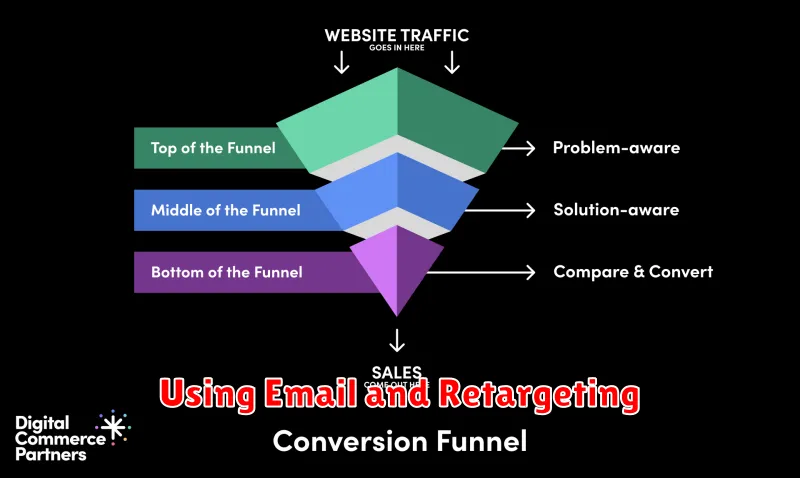
Email marketing and retargeting are crucial for nurturing leads and driving conversions within your digital marketing funnel. Email marketing allows for personalized communication and targeted offers to segmented audiences.
Retargeting campaigns recapture website visitors who showed interest but didn’t convert. By displaying tailored ads across the web, you re-engage potential customers and guide them back towards completing a purchase.
These strategies work synergistically. Use email to segment your audience based on behavior and website activity, then create highly targeted retargeting campaigns based on those segments.
Conversion Tracking Best Practices
Accurate conversion tracking is essential for optimizing your digital marketing funnel. Without it, you’re flying blind. Implement these best practices to ensure your data is reliable and actionable.
Define Your Key Conversions: Clearly identify the actions that represent a valuable conversion for your business, such as purchases, form submissions, or phone calls.
Implement Conversion Pixels/Tags: Place the appropriate tracking code on your conversion confirmation pages. Ensure these are firing correctly and consistently.
Track Across Channels: Monitor conversions from all your marketing channels (e.g., search, social, email) to understand their individual contributions.
Regularly Review & Refine: Analyze your conversion data regularly. Identify areas for improvement and adjust your strategies accordingly.
Improving Funnel Efficiency Over Time
Building a successful digital marketing funnel isn’t a one-time task. Continuous optimization is crucial for maximizing conversions. Regularly analyze your funnel’s performance metrics to identify areas for improvement.
Track key metrics such as conversion rates at each stage, bounce rates, and time spent on key pages. Look for bottlenecks or drop-off points and investigate the reasons behind them.
A/B testing is a powerful tool for optimizing your funnel. Experiment with different variations of your landing pages, calls to action, and ad copy to see what resonates best with your target audience. Even small changes can have a significant impact on your overall funnel efficiency.
