
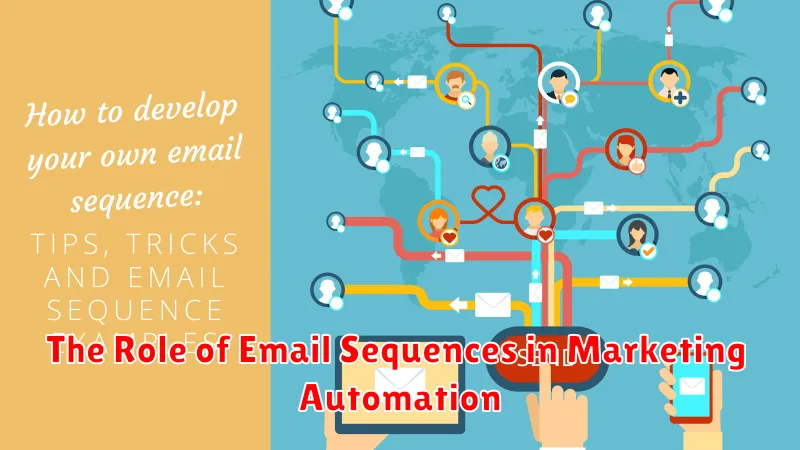
In today’s digital landscape, marketing automation plays a crucial role in nurturing leads and driving conversions. A core component of effective marketing automation is the strategic use of email sequences. Email sequences are a series of automated emails triggered by specific actions or pre-defined timelines. They allow marketers to deliver targeted and personalized messages to prospects and customers, guiding them through the sales funnel and fostering long-term relationships. Understanding the power of email sequences is essential for maximizing the impact of your marketing automation efforts and achieving your business goals.
This article will delve into the significance of email sequences within the broader context of marketing automation. We will explore how strategically crafted email sequences can enhance customer engagement, improve lead nurturing, and ultimately boost your return on investment (ROI). From welcome series to abandoned cart reminders, and post-purchase follow-ups, discover how different types of email sequences can be implemented to automate your communication, personalize the customer journey, and achieve tangible results in your marketing automation strategy.
What Are Email Sequences?
An email sequence is a series of automated emails sent to a specific group of people, triggered by a particular action or event. These sequences are strategically designed to nurture leads, onboard new customers, or promote specific products or services. Think of them as automated conversations delivered straight to someone’s inbox.
Each email in the sequence is pre-written and scheduled to be sent at predetermined intervals. This allows for consistent communication and builds relationships over time without requiring manual intervention for each individual email. The automation aspect is key, saving marketers valuable time and resources.
When to Use Them and Why
Email sequences play a crucial role in various marketing automation strategies. They are particularly effective for nurturing leads, onboarding new customers, and promoting specific products or services.
Consider using email sequences when you need to deliver a series of targeted messages over a defined period. This is highly beneficial for welcome series, post-purchase follow-ups, or educational drip campaigns.
Automated sequences save time and resources while ensuring consistent communication. They allow you to build relationships with your audience by delivering valuable content and offers tailored to their individual needs and stage in the buyer’s journey. This ultimately leads to increased engagement and conversions.
Crafting a Welcome Sequence
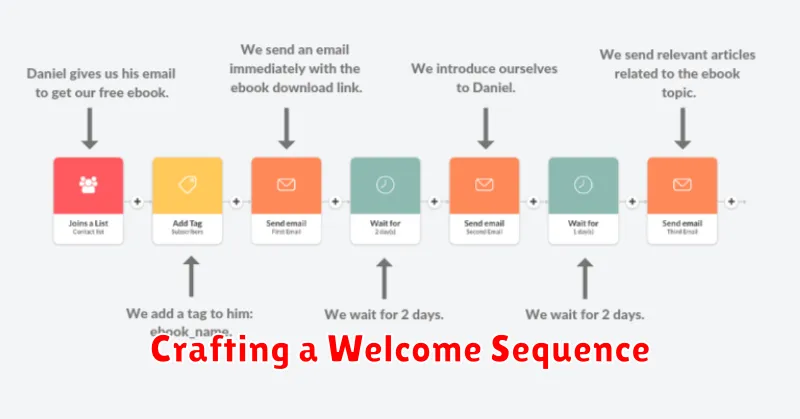
A welcome sequence is a series of automated emails triggered when someone subscribes to your email list or makes a purchase. It’s a crucial first impression and an opportunity to nurture a new subscriber into a loyal customer. Relevance and timing are key components of an effective welcome sequence.
Start by thanking the subscriber for joining. Then, deliver on any promised lead magnets or incentives. Subsequent emails can introduce your brand story, showcase popular products or services, and offer exclusive discounts.
Personalization is highly recommended. Segment your audience and tailor your messaging to their specific interests and needs. Track your welcome sequence’s performance and make adjustments based on open and click-through rates.
Timing and Frequency Tips
Finding the right balance between keeping your audience engaged and overwhelming them is crucial. Frequency and timing are key factors in email sequence effectiveness. Sending too many emails can lead to unsubscribes, while too few can hinder campaign performance.
Consider these factors when determining your email cadence:
- Target Audience: Understand their preferences and typical email engagement patterns.
- Campaign Goal: Onboarding sequences require a different cadence than promotional ones.
- Content Length: Shorter, more frequent emails may be suitable for bite-sized content.
Test and optimize your email frequency to find the sweet spot for your specific audience and goals. Analyze open and click-through rates to gauge engagement and adjust your strategy accordingly.
Personalizing Emails Based on Behavior
Behavior-based email personalization takes automated messaging to the next level. By tracking user interactions, you can tailor email content to be incredibly relevant to each individual subscriber.
Key actions to monitor include website visits, email opens and clicks, content downloads, and purchase history. This data allows you to segment your audience and trigger specific emails based on demonstrated interest.
For example, if a user abandons a shopping cart, a timely email reminding them of their items and offering a small incentive can be highly effective. Similarly, if a subscriber consistently opens emails about a specific product category, you can personalize future communications to focus on relevant offers and content within that category.
How to Avoid Email Fatigue
Email fatigue is a significant hurdle in email marketing. It occurs when subscribers become overwhelmed by the volume of emails they receive, leading to decreased engagement and increased unsubscribe rates.
Segmentation is key. By dividing your audience into specific groups based on demographics, behavior, or preferences, you can tailor content and send more relevant emails. This reduces the feeling of being bombarded with irrelevant information.
Frequency capping is another important strategy. Limit the number of emails a subscriber receives within a specific timeframe. This prevents overexposure and allows subscribers to engage with your content at their own pace.
Finally, provide clear unsubscribe options. Make it easy for subscribers to opt-out if they choose. This builds trust and respects their inbox preferences. A clear unsubscribe process can actually improve your sender reputation and engagement rates with those who remain subscribed.
Monitoring Sequence Performance
Monitoring the performance of your email sequences is crucial for maximizing their effectiveness. Track key metrics such as open rates, click-through rates (CTR), and conversion rates. Low open rates may indicate issues with your subject lines or sending times. Poor CTR could suggest problems with your email content or call to action. Low conversion rates might point to a disconnect between the sequence and your audience’s needs.
Analyze these metrics regularly to identify areas for improvement. A/B testing different subject lines, email copy, or calls to action can help optimize your sequences for better engagement and results. Continuously refining your approach based on performance data is essential for achieving your marketing goals.
