
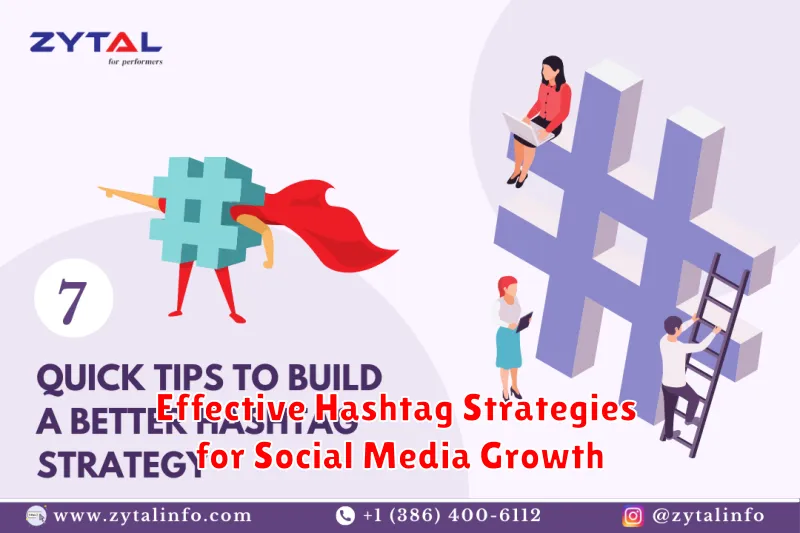
In today’s digital landscape, a robust social media presence is crucial for business growth and brand recognition. Leveraging the power of hashtags is a fundamental component of any successful social media strategy. Effective hashtag strategies can significantly amplify your reach, connect you with a wider audience, and ultimately drive social media growth. This article will delve into proven techniques and best practices to optimize your hashtag usage across various platforms, helping you achieve measurable results and expand your online influence.
From understanding hashtag research and hashtag analytics to mastering the art of branded hashtags and trending hashtags, this guide will provide you with the knowledge and tools necessary to develop a comprehensive and effective hashtag strategy. Whether you’re a seasoned social media marketer or just beginning to explore the power of hashtags, this article offers valuable insights into how to effectively utilize hashtags to increase visibility, engagement, and ultimately, social media growth.
What Makes a Hashtag Effective?
An effective hashtag is more than just a word or phrase with a # symbol. It’s a strategic tool to enhance discoverability and engagement. Relevance is paramount. Hashtags should align with the content’s theme and target audience. Specificity is equally crucial. Overly broad hashtags get lost in the noise, while niche hashtags connect with a more interested audience.
Brevity and memorability are also important. Short, catchy hashtags are easier to recall and use. Finally, research is essential. Analyze trending hashtags and competitor usage to identify opportunities and optimize your hashtag strategy.
Hashtag Research Tools
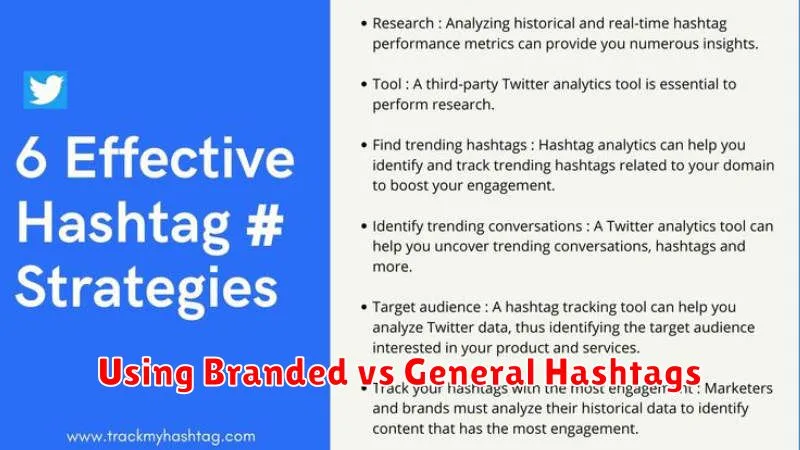
Leveraging the right hashtag research tools can significantly enhance your social media strategy. These tools provide valuable insights into hashtag popularity, relevance, and competition, allowing you to optimize your content for maximum reach and engagement.
Several tools offer a range of features, from simple hashtag suggestions to in-depth analytics. Some popular options include Hashtagify, RiteTag, and Brand24. These tools can help you identify trending hashtags, analyze competitor strategies, and track the performance of your own hashtags.
Choosing the right tool depends on your specific needs and budget. Some tools offer free basic plans, while others require a paid subscription for advanced features. Regardless of your choice, using a hashtag research tool is a crucial step in developing an effective hashtag strategy.
Using Branded vs General Hashtags
Branded hashtags are unique to your business. They often incorporate your company name, slogan, or a specific campaign. They help build brand awareness and track campaign performance. Think of them as your digital fingerprint.
General hashtags, on the other hand, are broader and relate to your industry, product, or target audience. They help increase the discoverability of your posts by people searching for those topics. They cast a wider net.
An effective hashtag strategy utilizes both. Branded hashtags foster community and trackable growth, while general hashtags broaden reach and attract new followers.
Hashtags Per Platform (IG, TikTok, LinkedIn)
While hashtags are crucial across various platforms, their usage differs. Understanding these nuances is key to maximizing reach and engagement.
Instagram allows up to 30 hashtags per post. A mix of branded, niche, and industry-related hashtags is recommended. Research relevant hashtags and observe their popularity.
TikTok
TikTok hashtag usage is more trend-driven. Leverage trending hashtags alongside descriptive ones for discoverability. Brevity is key, as captions are limited.
LinkedIn hashtags function more for content categorization. Use a few highly relevant industry-specific hashtags to connect with professionals in your field. Overuse can appear spammy.
Avoiding Shadowbans and Spam Tags
Shadowbans severely restrict your content’s visibility. To avoid them, steer clear of using banned or overused hashtags. Diversify your hashtags and ensure they are relevant to your content. Research platform-specific guidelines and best practices.
Spam tags are hashtags used excessively and indiscriminately. They can trigger shadowbans and damage your credibility. Focus on using a moderate number of relevant and specific hashtags. Quality over quantity is key to effective hashtag usage.
