
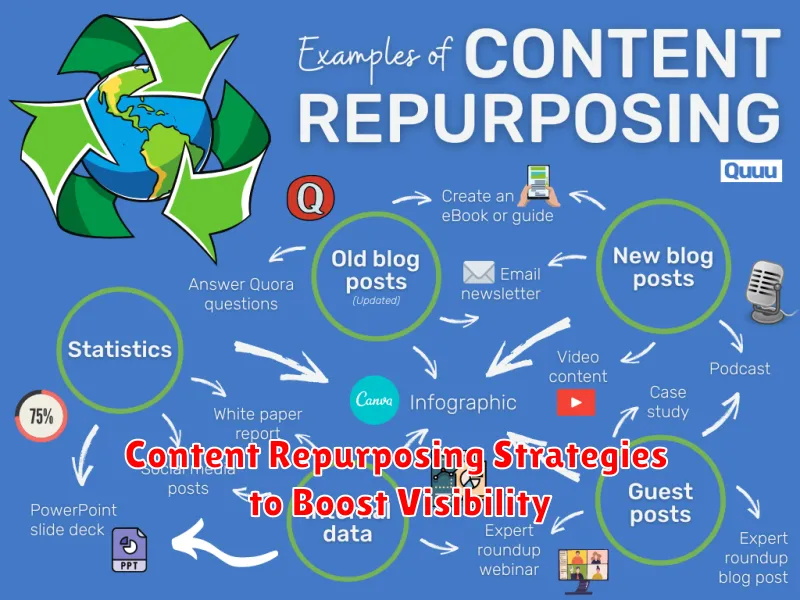
In today’s competitive digital landscape, content repurposing has become an indispensable strategy for maximizing visibility and reach. It allows you to efficiently leverage existing content by transforming and adapting it for various platforms and formats, ultimately amplifying your message and attracting a wider audience. Whether you’re aiming to improve SEO, increase brand awareness, or drive more traffic, understanding effective content repurposing strategies is crucial for success.
This article will explore proven content repurposing strategies that can significantly boost visibility and engagement. We’ll delve into practical techniques for transforming blog posts, articles, videos, and other content assets into diverse formats such as infographics, social media updates, podcasts, and more. By implementing these strategies, you can extend the lifespan and impact of your content, strengthen your online presence, and ultimately achieve your marketing goals. Discover how to work smarter, not harder, by harnessing the power of content repurposing to reach a broader audience and elevate your visibility in the digital sphere.
What Is Content Repurposing?
Content repurposing is the process of transforming existing content into new formats to reach a wider audience or achieve different marketing goals. It involves taking high-performing content and adapting it for various platforms and mediums. This might include turning a blog post into a social media graphic, an infographic, or a short video.
Instead of creating content from scratch, repurposing leverages the time and resources already invested. It offers a strategic approach to maximizing content’s reach and impact. It is not simply duplicating content, but rather reformatting and optimizing it for different channels and audiences.
Identifying Evergreen Content for Reuse
Evergreen content refers to content that remains relevant and valuable over a long period. Identifying these pieces is crucial for effective content repurposing.
Look for content that addresses timeless topics or provides fundamental information within your industry. Examples include tutorials, how-to guides, definitive guides, or case studies showcasing successful, repeatable strategies.
Analyze your existing content’s performance. Content with consistent traffic, high engagement (shares, comments), and strong search engine rankings are likely evergreen candidates. These proven performers offer a strong foundation for repurposing.
Turning Blogs into Videos and Infographics
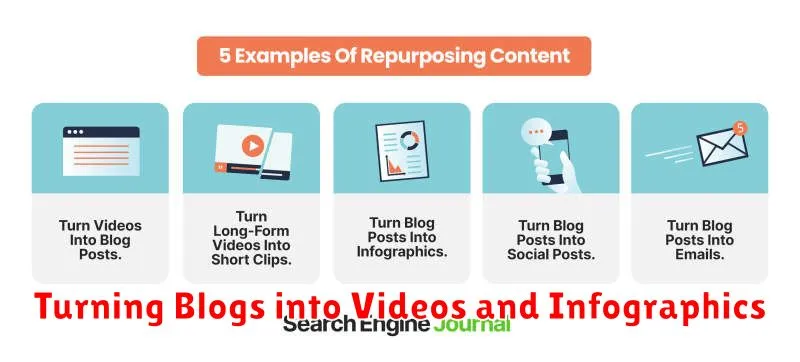
Repurposing blog content into videos and infographics offers a powerful way to expand your reach and engage a wider audience. Videos can transform written content into a dynamic, easily consumable format, ideal for platforms like YouTube and social media. Consider creating explainer videos, animated summaries, or even incorporating blog excerpts into presentations.
Infographics condense complex information into visually appealing graphics, making them highly shareable. Key data points, statistics, and core arguments from your blog post can be presented in a concise and memorable way. This format excels on visual platforms like Pinterest and can also be embedded within the original blog post itself to enhance its value.
Social Media Snippets from Longform Content
One highly effective content repurposing strategy involves extracting compelling snippets from your long-form content (such as blog posts, articles, or white papers) and sharing them on social media platforms. This approach allows you to extend the reach of your existing content and drive traffic back to your website.
Key elements of this strategy include selecting highly engaging quotes, statistics, or key takeaways from your content. Present these snippets as visually appealing text graphics, or incorporate them into short videos or audio clips. Remember to tailor your snippets to the specific platform you are using, considering character limits and audience preferences. Use relevant hashtags to enhance discoverability and always include a clear call to action, encouraging users to click through to the full content.
Automating Your Repurposing Workflow
Efficiency is key in content repurposing. Automating parts of your workflow can significantly reduce time and effort.
Several tools can assist in this process. Social media management platforms allow for scheduled posting across multiple channels. Transcription software can quickly convert audio or video content into text for articles or blog posts. There are also repurposing tools specifically designed to suggest new formats and automate the conversion process.
Consider automating tasks like: content distribution, format conversion, and performance tracking. By automating these repetitive tasks, you free up time to focus on creating high-quality original content and refining your repurposing strategy.
Republishing on Medium and LinkedIn
Medium and LinkedIn are excellent platforms for repurposing your existing content. They offer access to a built-in audience interested in professional and industry-specific topics. Canonical links are crucial when republishing. This tells search engines which version of the article is the original, preventing duplicate content issues and preserving your website’s SEO.
For Medium, focus on adapting your content to their platform’s style and audience. Use high-quality images and engaging formatting. On LinkedIn, consider sharing shorter, more concise versions of your articles, emphasizing key takeaways and insights. Engage with comments and participate in relevant discussions to maximize visibility and reach.
Tracking Engagement Metrics
Measuring the success of your repurposed content is crucial. Tracking relevant engagement metrics provides valuable insights into what resonates with your audience and informs future repurposing strategies.
Key metrics to monitor include:
- Reach: How many people have seen your content.
- Engagement: Likes, shares, comments, and other interactions.
- Website traffic: Increased visits resulting from repurposed content.
- Lead generation: New leads captured through repurposed content.
- Conversions: Desired actions taken by your audience (e.g., purchases, sign-ups).
By analyzing these metrics, you can identify which repurposing efforts are most effective and optimize your strategy accordingly.
